By the time you notice a dark patch in the mirror, the process that caused it has usually been building for weeks. Melasma and hyperpigmentation aren't sudden — they develop in stages, deep inside the skin, long before anything is visible on the surface. Understanding those stages is the difference between catching pigmentation early (when it fades fast) and treating it once it's deep and stubborn.
What's actually happening: melanocytes gone into overdrive
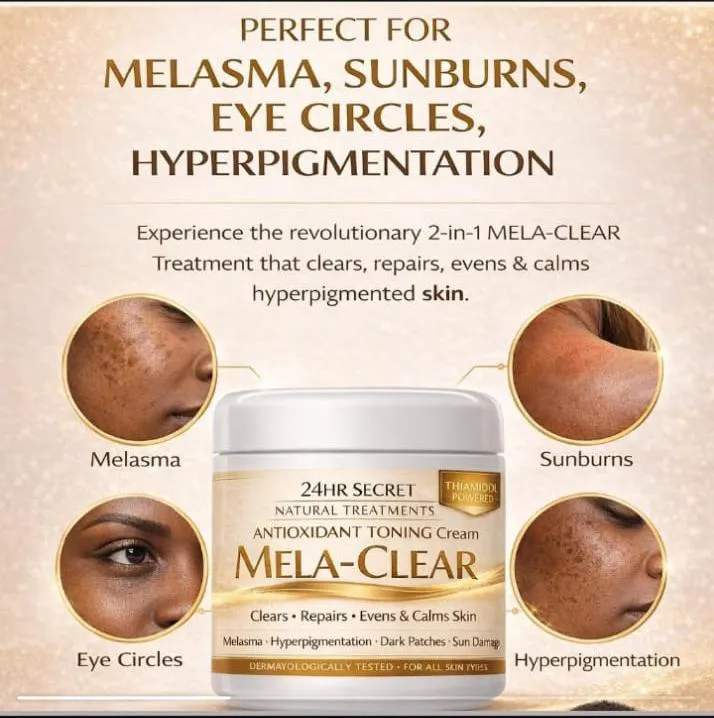
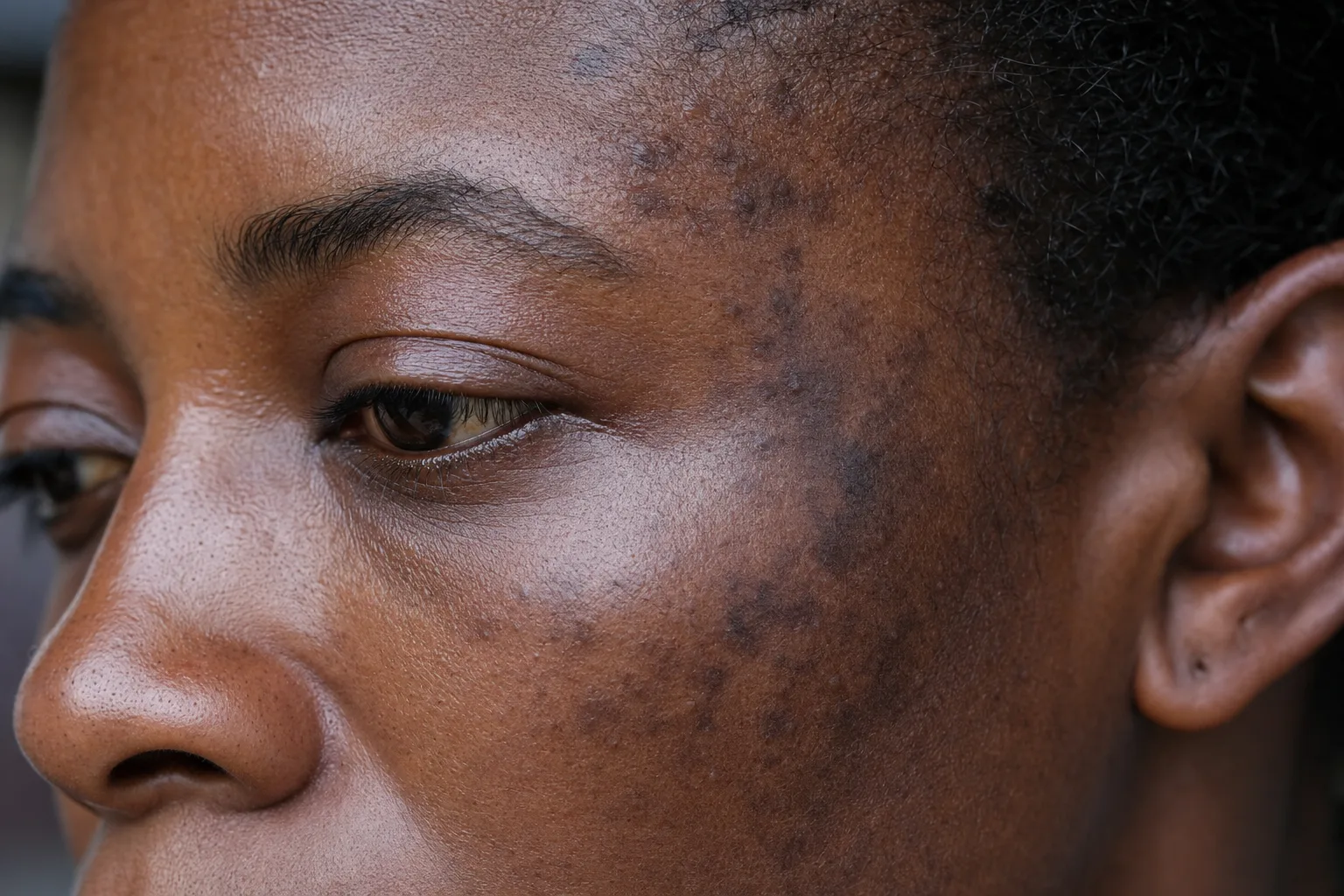
Melasma and other forms of hyperpigmentation happen when melanocytes — the pigment-producing cells in your skin — become overactive and produce excess melanin. That melanin rises to the surface and shows up as dark patches or uneven skin tone. It's not dirt, and it's not a sign your skin is unhealthy on its own — it's a specific, understandable biological reaction to triggers.
Why a weak skin barrier makes it worse
When the skin barrier is weak or damaged, skin becomes more sensitive to every trigger below — the same amount of sun or irritation stimulates more excess pigment than it would on healthy, barrier-strong skin. This is why barrier repair (not just fading) is one of the four pillars of real correction.
The five common triggers
- UV rays. The single biggest trigger — even brief daily sun exposure adds up.
- Hormonal changes. Pregnancy, contraceptives and hormonal shifts are major drivers, which is why melasma is sometimes called the 'mask of pregnancy'.
- Inflammation or injury. Acne, cuts, burns and even harsh skincare can leave dark marks behind as skin overreacts while healing.
- Pollution & toxins. Environmental stress on the skin contributes to overall melanocyte activation over time.
- Genetic predisposition. Some skin is simply more prone to pigment overproduction — this doesn't mean it can't be managed, just that consistency matters more.
Understanding your skin's layers
Melanin is produced in the epidermis (the top layer) by melanocytes, then transferred to skin cells and moves upward. But if inflammation or damage reaches the dermis (the middle layer), it can trigger even more pigment production there. Once pigment reaches these deeper layers, it becomes noticeably more stubborn and harder to treat — which is exactly why melasma that's been left untreated for years responds more slowly than melasma caught in its first few months.
The 5 stages of hyperpigmentation
Hyperpigmentation doesn't jump from clear skin to a dark patch — it moves through five distinct stages:
- 1Cause. Triggers like UV rays, hormonal changes, inflammation, pollution or genetics activate melanocytes. Melanin production begins — invisibly.
- 2First effects. Melanocytes start producing more melanin, which transfers to skin cells in the epidermis. Still no visible spots, but changes have already begun.
- 3Starts to show faintly. A small amount of melanin reaches the surface. Faint dark spots or unevenness become visible for the first time.
- 4Continues to spread. More melanin builds up and spreads across the skin. Spots become more noticeable and darker in color.
- 5Too deep & dark. Excess melanin accumulates in the deeper layers of the skin. Spots become dark, stubborn and very difficult to treat with surface-level products alone.
Why this matters for treatment
Most people only start treating pigmentation at stage 3 or later, once it's clearly visible. But the earlier you intervene — even at the 'faint' stage — the faster and more completely it responds, because the pigment hasn't yet sunk into the deeper layers. If you're noticing any faint unevenness, that's the moment to start a routine, not wait for it to darken.
What this means for your routine
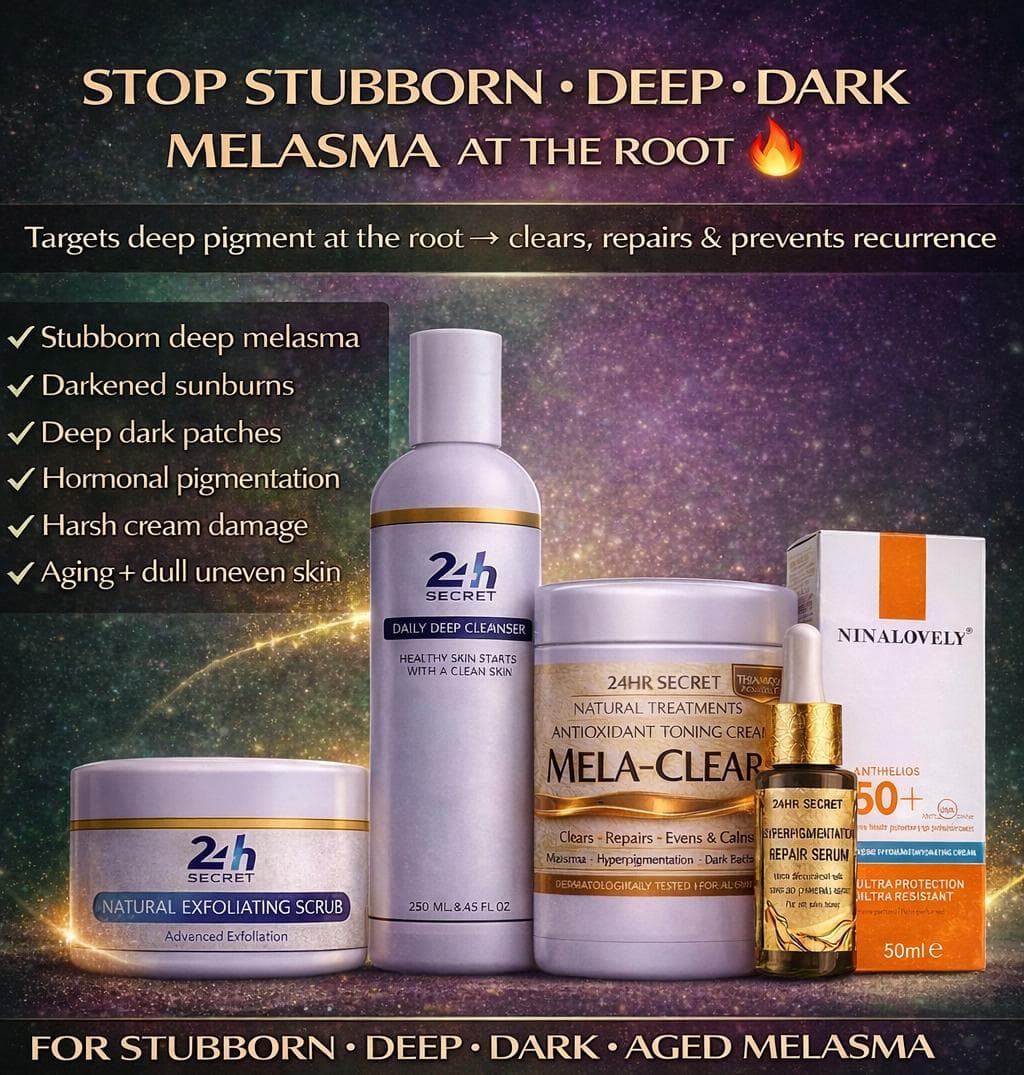
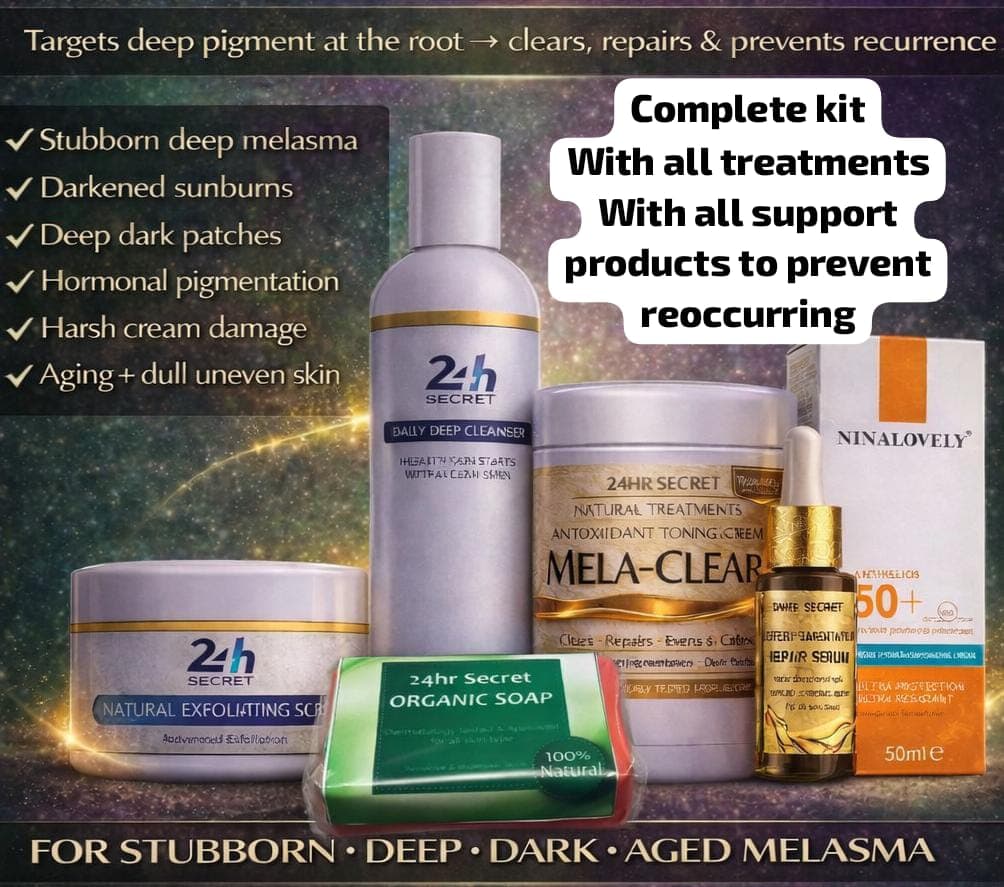
Because pigmentation is a staged, multi-trigger process, treatment has to work at every stage at once — not just fade what's already visible. That's the reasoning behind every 24HR SECRET kit:
Regulate pigment production at the source, lift what's already built up, repair the barrier so triggers stop restimulating melanocytes, and protect daily with SPF since UV is the single biggest trigger of them all. Skip any one of these and the cycle simply restarts.
For the full step-by-step system, see our How It Works guide, or jump straight to the Melasma & Hyperpigmentation collection to find the kit matched to your stage.